🎉 Festival Sale — Up to 50% OFF | Free Shipping above ₹2,000 | Code: ETHNIC50
🚚 Free Shipping on orders above ₹2,000 | Same Day Dispatch!
🛍️ New Festive Collection 2026 just arrived — Shop Now!
↩️ 7-Day Easy Returns | 100% Authentic Fabrics | Secure Payment 🔒
💡 Did you know? The Banarasi saree has been woven in Varanasi for over 600 years using gold & silver zari threads!
🪔 Did you know? Kanjivaram silk sarees from Tamil Nadu are known as the "Queen of Silks" — each takes 3–5 days to weave by hand!
✨ Indian Tip: Chikankari embroidery from Lucknow dates back to the Mughal era — a 400-year-old tradition of white thread on fine fabric.
👗 Did you know? The Lehenga Choli was originally worn by Rajasthani royalty in the 12th century — now a bridal staple across India!
💎 Styling Tip: Pair a Kanjivaram silk saree with temple jewellery (long necklace + jhumkas) for a timeless South Indian look!
🌸 Did you know? Phulkari embroidery from Punjab means "flower work" — it was traditionally done by women as a bridal trousseau gift!
🧵 Indian Tip: Chanderi fabric from Madhya Pradesh has been crafted since the 11th century — prized for its golden tissue & silk-cotton blend.
💡 Styling Tip: For a Navratri look, pick Bandhani or Leheriya sarees in bright yellows, greens & reds — they represent 9 divine goddesses!
🏺 Did you know? Kalamkari fabric from Andhra Pradesh uses natural dyes & hand-painted mythological stories — a 3,000-year-old art form!
🪡 Indian Tip: Ikat weaving (Patola sarees from Gujarat) creates patterns BEFORE weaving by tying & dyeing threads — no two are identical!
🌺 Did you know? Pashmina shawls from Kashmir use wool from the Changthangi goat — 1 shawl needs wool from 3–4 goats & takes months to craft!
✨ Styling Tip: Drape your saree in Nivi style (Andhra) for corporate events or Gujarati style for weddings — the same saree, two stunning looks!
💡 Did you know? The dupatta originated in the Indus Valley Civilisation — over 5,000 years ago women draped it as a symbol of grace & modesty!
🎨 Indian Tip: Block printing from Rajasthan (Bagru & Sanganer) uses hand-carved wooden blocks & natural dyes for eco-friendly ethnic prints!
👑 Did you know? Zardozi embroidery (gold thread work) was brought to India by Persian artisans in the 3rd century BC — later perfected by Mughals!
🌿 Care Tip: Always dry-clean Banarasi & Kanjivaram silks. Store with neem leaves to keep insects away — the traditional Indian way! 🌿
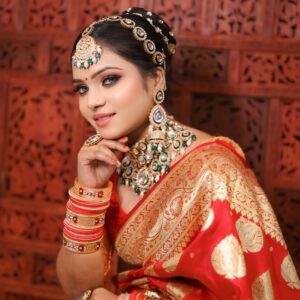 Beige Pashmina Shawl₹6,999.00
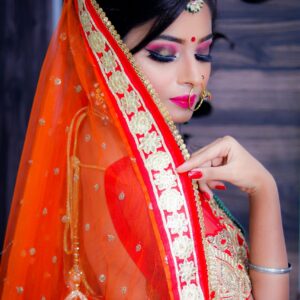 Traditional Chanderi Kurti₹3,999.00
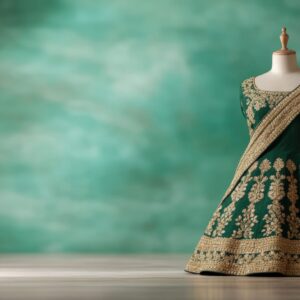 Emerald Green Anarkali Suit₹8,999.00
 Pink Designer Lehenga Choli₹24,999.00